
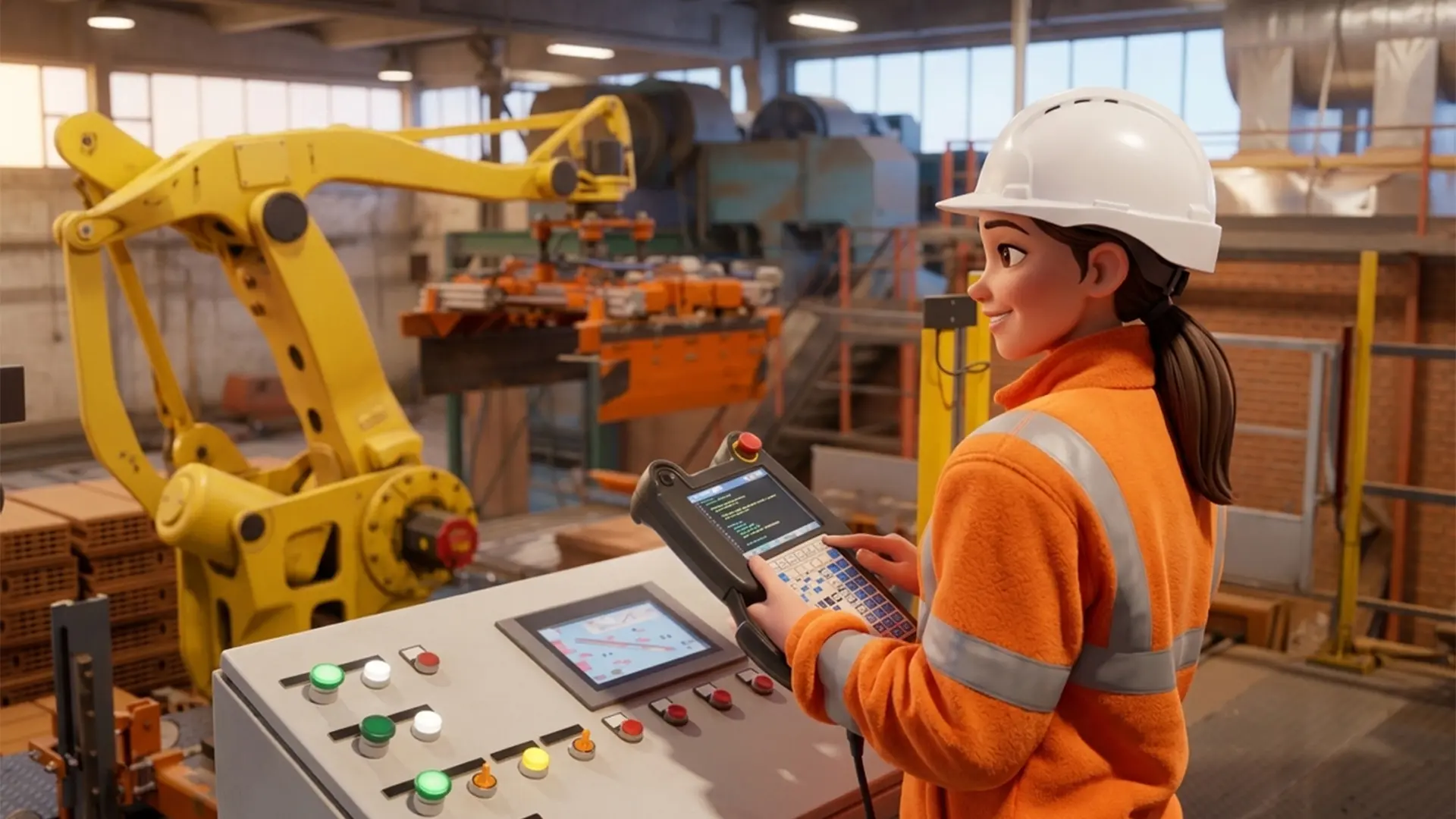
The New Reality of Industrial Operations
Manufacturing today does not run on predictable schedules anymore.
Demand spikes without warning. Supply chains shift overnight. Seasonal pressure hits harder than ever. Yet many companies still rely on rigid hiring models built for a slower era.
That mismatch is where productivity starts leaking.
According to McKinsey, companies that adopt flexible workforce structures can improve operational efficiency by up to 25% in dynamic environments. The reason is simple. They match labor with real demand instead of fixed assumptions.
This is where flexible staffing models are no longer optional. They are becoming the backbone of modern manufacturing workforce planning.
The Cost of Inflexible Workforce Models
Let’s break this down in practical terms.
When your workforce is fixed:
- You overstaff during slow periods.
- You understaff during peak demand.
- Overtime costs rise
- Burnout increases
- Output becomes inconsistent
That is not just an HR issue. It is a direct hit on margins.
A Deloitte report highlights that inefficient labor allocation can increase operational costs by 10% to 15% annually in manufacturing environments.
And yet, many businesses still hesitate to shift because they associate flexibility with instability.
In reality, the opposite is true.
What Is Workforce Agility?
Workforce agility is the ability to scale your workforce up or down based on real-time needs without disrupting operations.
It is not about hiring more people. It is about hiring smarter.
Think of it like this:
- Permanent staff handles core operations.
- Flexible staff handles fluctuations.
This creates a hybrid workforce model where stability and adaptability work together.
Instead of reacting to problems, you start anticipating them.
Flexible Staffing Models That Drive Results
There is no one-size-fits-all approach, but certain models consistently deliver results in industrial environments.
1. Temporary vs Direct Hire Workforce
This is the most widely used approach.
Temporary workers help manage:
- seasonal demand
- short-term projects
- sudden labor shortages
Direct hires, on the other hand, bring long-term stability.
The key is balance. Over-reliance on either creates risk.
2. Contract-to-Hire
This model allows companies to evaluate workers before making long-term commitments.
It reduces hiring mistakes and improves retention.
3. On-Demand Labor Pools
Some companies maintain a group of workers who have already been checked and approved in advance, so they can be deployed quickly.
This is especially useful in a warehouse staffing strategy where demand fluctuates daily.
4. Cross-Training Employees
Flexibility is not only external. Internal workforce agility matters too.
Cross-trained workers can shift between roles, improving workforce optimization in logistics and reducing downtime.
The Financial Impact of Workforce Agility
This is where things get interesting.
Flexible staffing is not just about convenience. It directly impacts your bottom line.
Here is how:
Lower Labor Costs
You only pay for labor when you need it. This supports better labor cost management strategies.
Reduced Overtime
Instead of overworking full-time staff, you bring in additional help during peak times.
Fewer Hiring Mistakes
A bad hire can cost up to 30% of an annual salary, according to the U.S. Department of Labor. Flexible models reduce that risk.
Better Resource Allocation
You align workforce size with production needs, improving overall efficiency.
In short, you are not just reducing labor costs in manufacturing. You are making those costs smarter.
Data-Driven Workforce Planning Framework
Flexibility without planning can quickly become chaos.
This is where data-driven industrial workforce planning comes in.
A simple framework looks like this:
Step 1: Analyze Demand Patterns
Look at historical production data, seasonal spikes, and order cycles.
Step 2: Identify Workforce Gaps
Where are you consistently understaffed or overstaffed?
Step 3: Build a Flexible Workforce Strategy
Combine permanent staff with scalable workforce solutions.
Step 4: Track Performance Metrics
Monitor productivity, labor costs, and output consistency.
Companies using data-backed workforce strategies report up to 20% improvement in workforce productivity, according to PwC insights.
The Role of a Strategic Industrial Staffing Partner
This is where many companies go wrong.
They treat staffing agencies as vendors instead of strategic partners.
A strong partner does more than fill roles. They:
- understand your production cycles
- provide pre-screened talent
- help design scalable workforce solutions
- support long-term manufacturing workforce planning
For example, a company working with ASAP was able to reduce hiring turnaround time by 40% while maintaining consistent output during peak demand periods.
That is the difference between transactional hiring and strategic workforce planning.
Implementation Roadmap
If you are thinking about shifting to flexible staffing, start small but structured.
Phase 1: Assessment
Evaluate your current workforce model and identify inefficiencies.
Phase 2: Pilot Program
Test a hybrid workforce model in one department or shift.
Phase 3: Scale Gradually
Expand flexible staffing based on performance results.
Phase 4: Optimize Continuously
Use data to refine your approach and improve outcomes.
The goal is not to replace your workforce. It is to make it more responsive.
Conclusion
Manufacturing is no longer just about machines and processes. It is about how quickly you can adapt.
Rigid workforce structures slow you down. Flexible ones give you room to move, adjust, and grow.
The companies that are winning today are not necessarily the biggest. They are the most adaptable.
If you are looking to improve workforce productivity, reduce costs, and build a future-ready operation, it is time to rethink how you hire.
ASAP works with manufacturing and logistics businesses to design flexible workforce strategies that actually perform on the ground, not just on paper.
Because in today’s market, agility is not a nice-to-have. It is your edge.